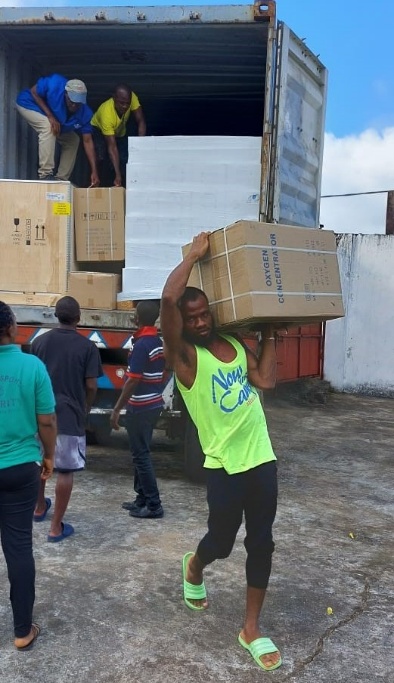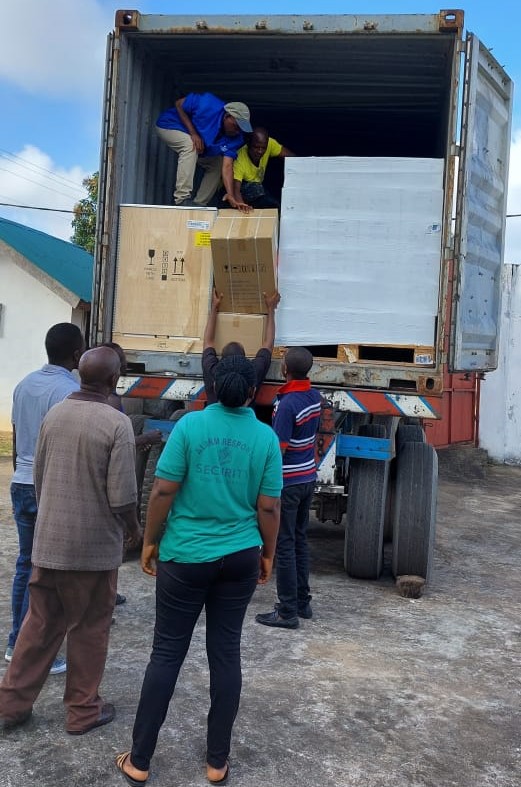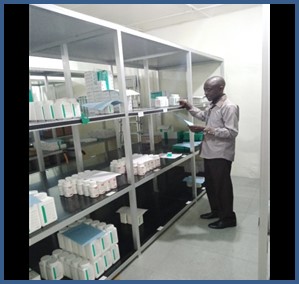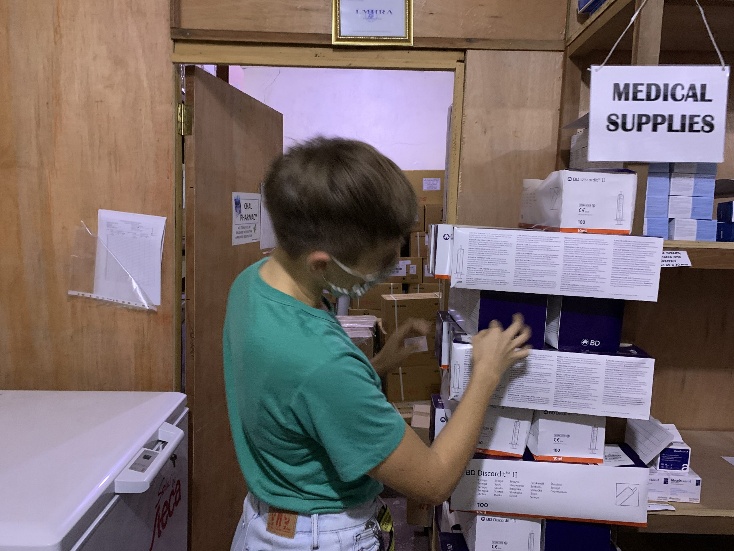

When a clinic in rural Bong County runs low on essential medicines, or a faith-based hospital in Lofa needs to replenish its dispensary, the first call is often to CHAL’s Drugs Supply Unit (DSU). Established to provide quality, effective, and affordable pharmaceutical supplies to faith-based health facilities, NGOs, and non-member institutions across Liberia, the DSU is one of CHAL’s most tangible contributions to the national health system — a supply chain built on trust, sustainability, and the conviction that essential medicines should reach every community, regardless of geography.
The DSU’s history mirrors CHAL’s own resilience. An original drug supply programme operated through the 1990s before being shuttered by Liberia’s civil war. A revival attempt in 2006 with IMA World Health funding could not take hold in a post-conflict environment flooded with free humanitarian supplies. It was not until 2018, when the German Institute for Medical Mission (Difaem) provided seed funds and medicines worth approximately USD 110,000, that the DSU was truly reborn — this time with two warehouses, a trained pharmacist superintendent, and a revolving fund model designed for long-term self-sufficiency. Today the DSU operates from depots in Monrovia and Gbarnga, processing daily requisitions, maintaining cold chain standards, and actively marketing its pharmaceutical catalogue to member and non-member facilities across six counties.
In 2025, the Monrovia depot recorded sales of USD 41,377 and the Gbarnga depot USD 25,872 — combined revenue that flows directly back into restocking, expanding the product range, and covering operational costs. Through the Pharma 750 project, supported by Difaem and the Ecumenical Pharmaceutical Network (EPN), 15 dispensers from CHAL member facilities in six counties completed two-phase pharmacy training, raising the standard of dispensing practice at the community level. Approximately 100,000 patients in rural Liberia receive care through facilities that depend on the DSU — making it not just a supply chain, but a lifeline.