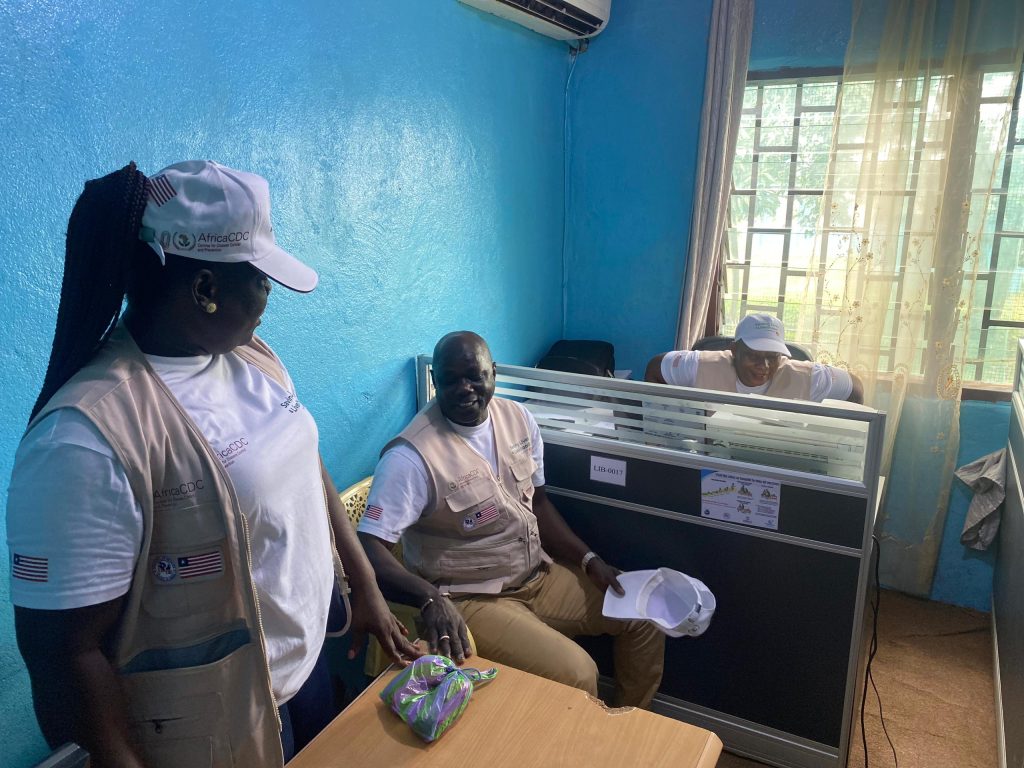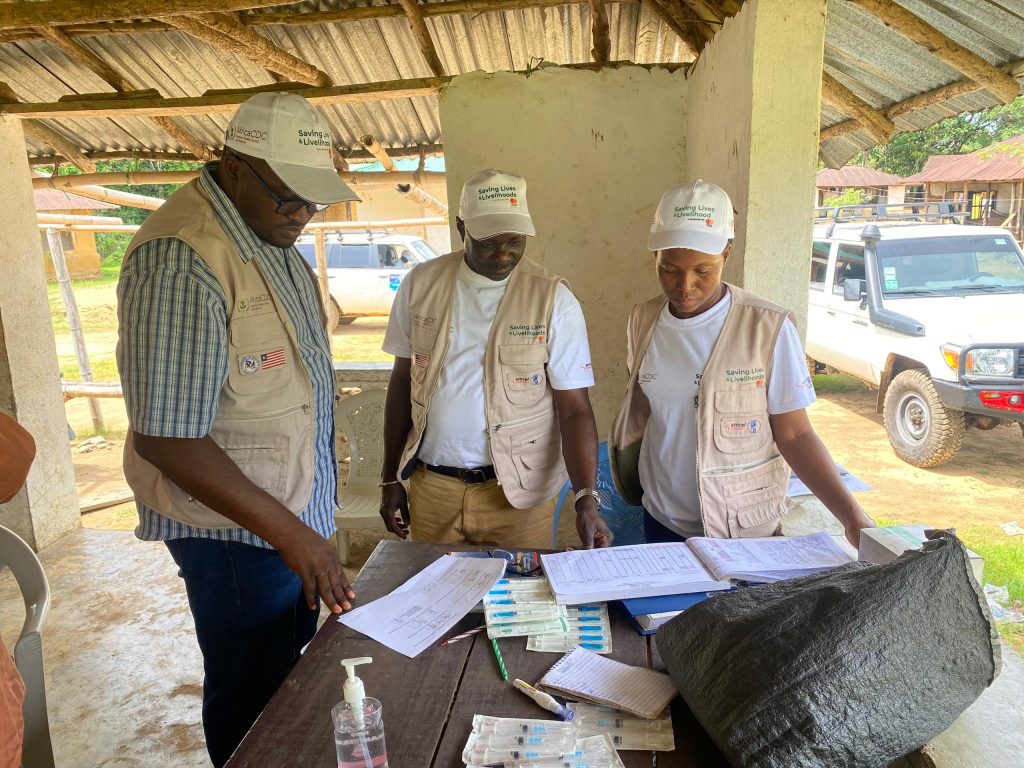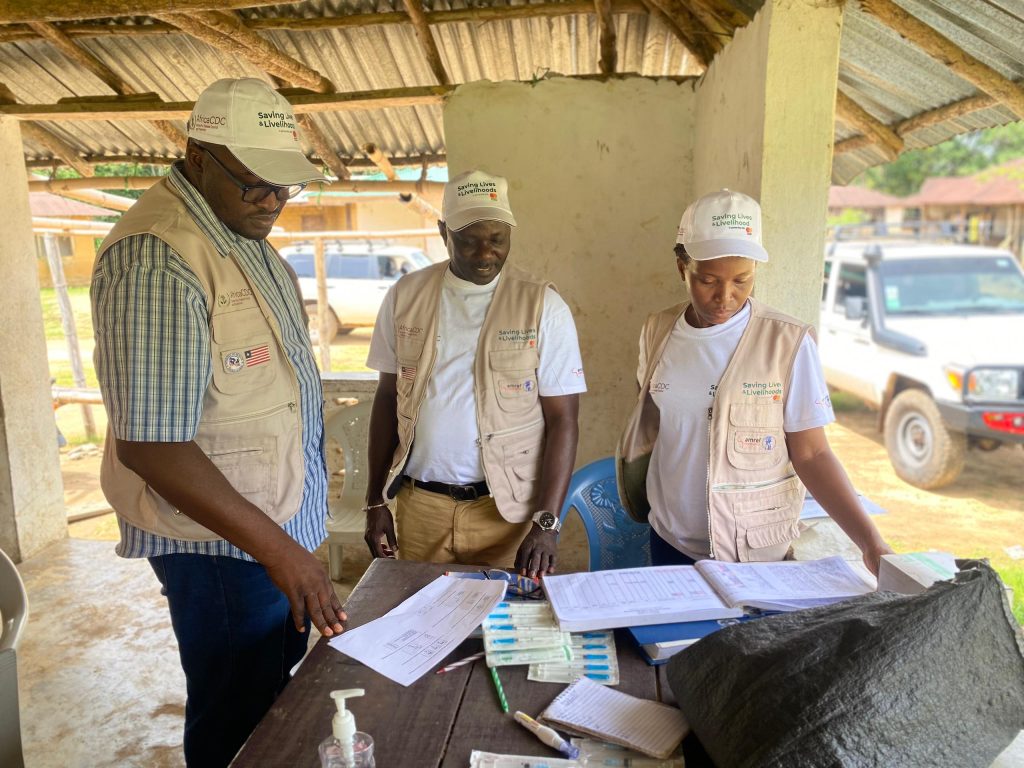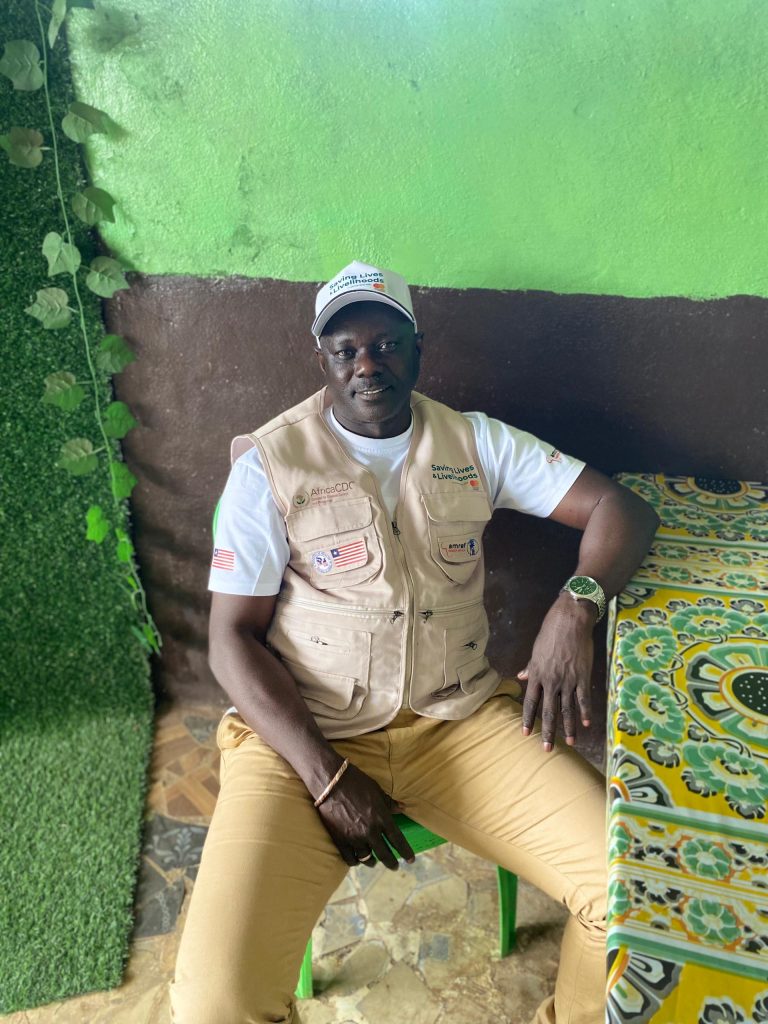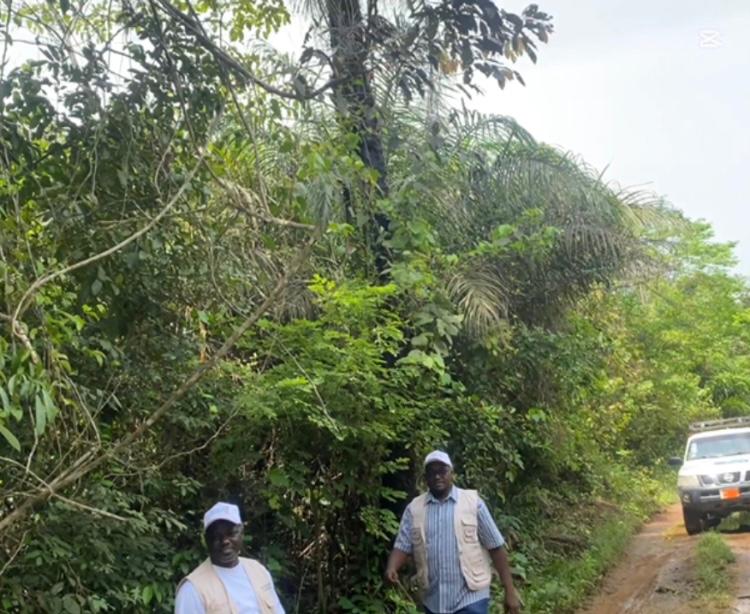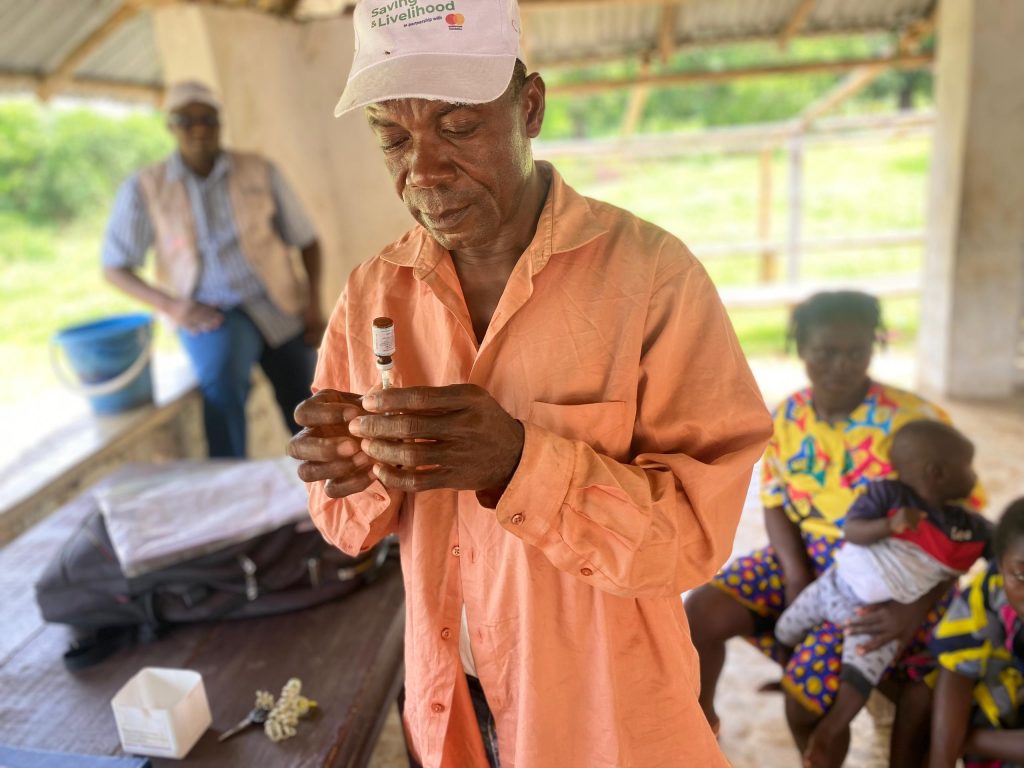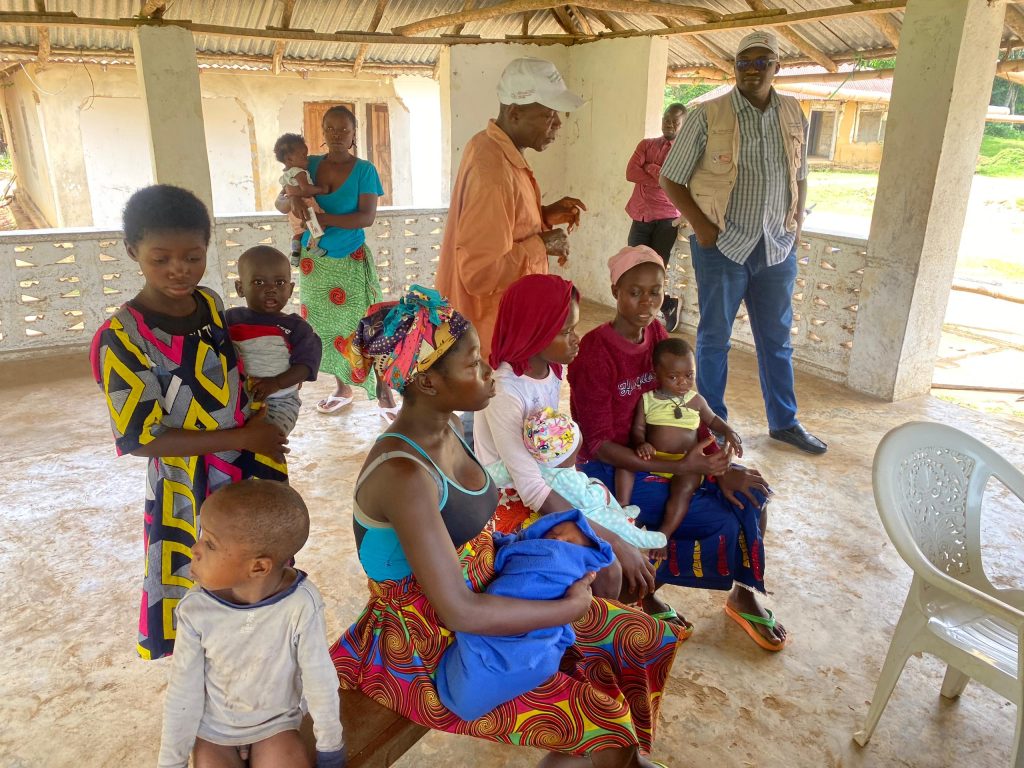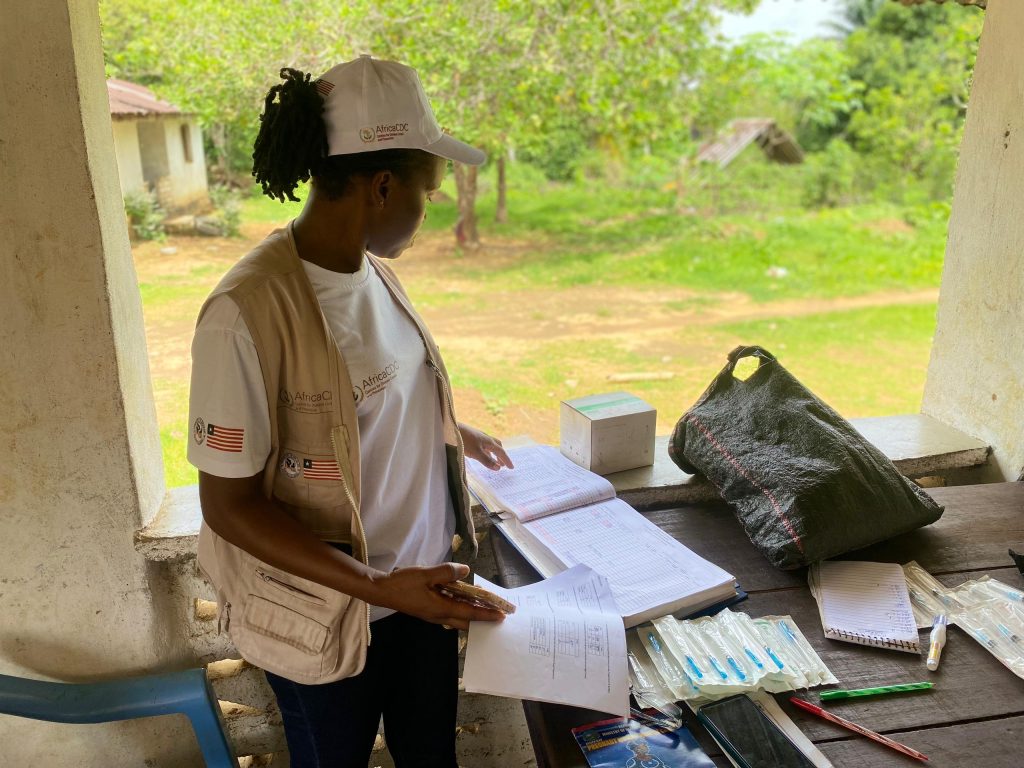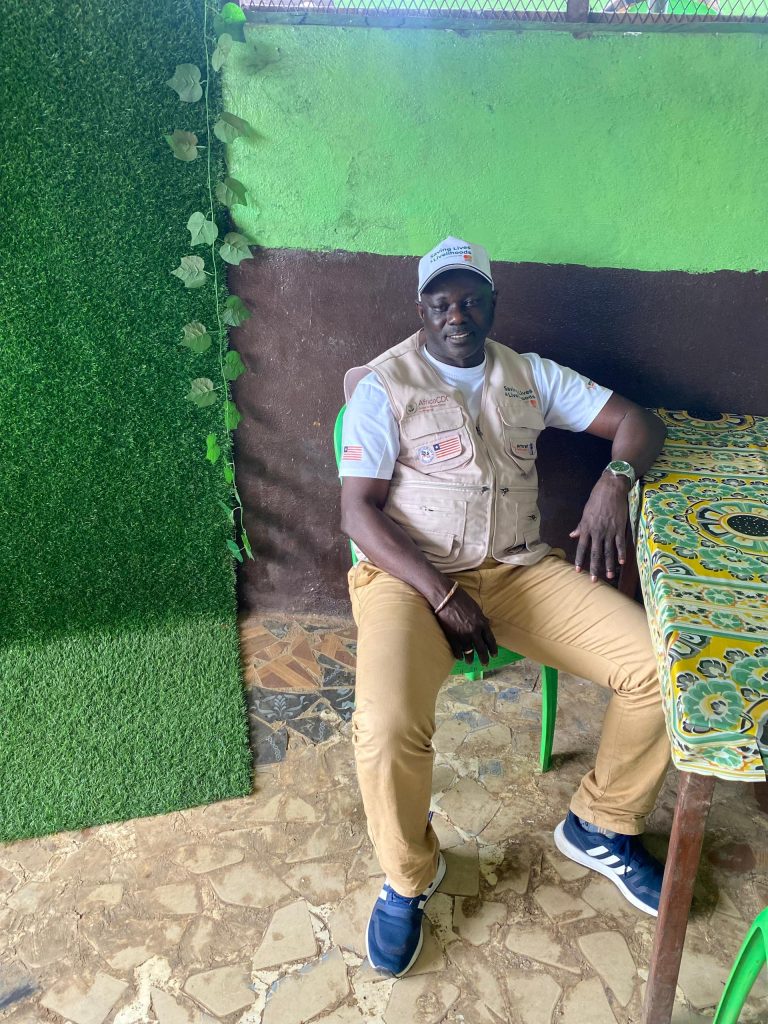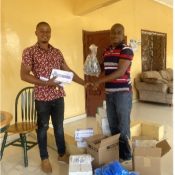
The journey to some of Liberia’s most remote communities begins before dawn. CHAL’s field teams navigate unpaved roads, river crossings, and narrow forest paths — arriving at settlements where the nearest health facility may be a day’s walk away — to deliver a message that should need no travel at all: that immunisation is available, it is safe, and it is coming to you. This is the spirit driving Phase Two of the Saving Lives and Livelihoods (SLL) Project, implemented by CHAL in partnership with Amref Health Africa and the Africa Centres for Disease Control and Prevention (Africa CDC), with funding from the Mastercard Foundation. Deepening on the infrastructure built in Phase One, Phase Two intensified immunisation coverage and health systems strengthening across Bomi, Grand Cape Mount, Gbarpolu, and Grand Gedeh Counties — with particular focus on communities that remained beyond the reach of the first phase.
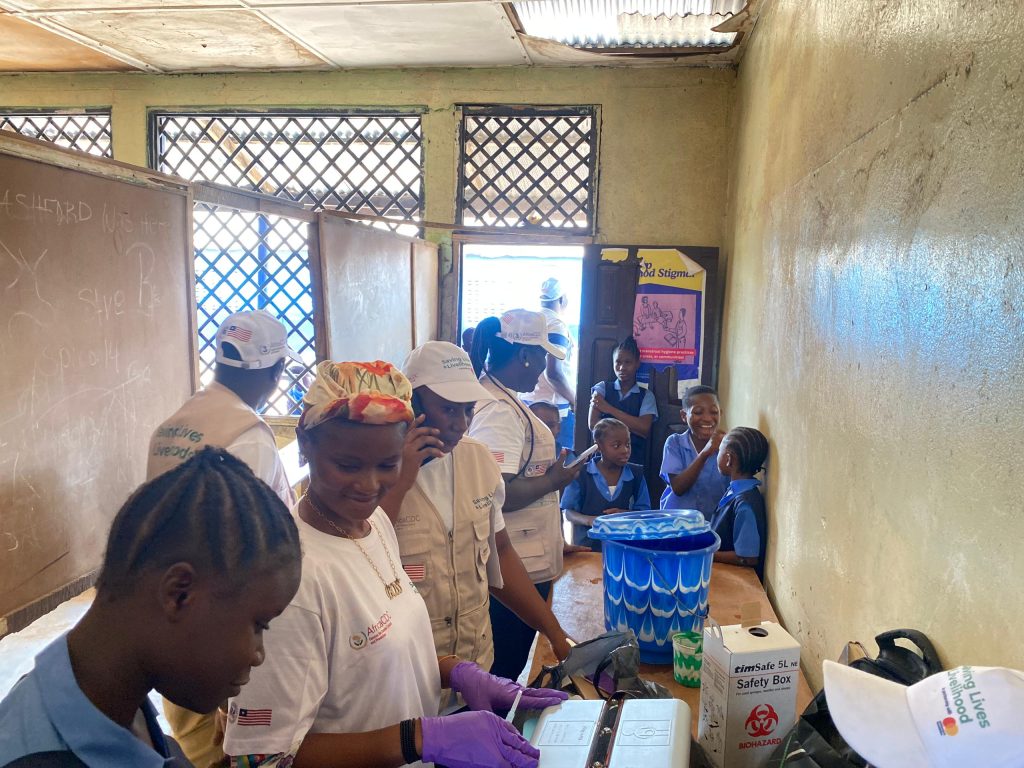
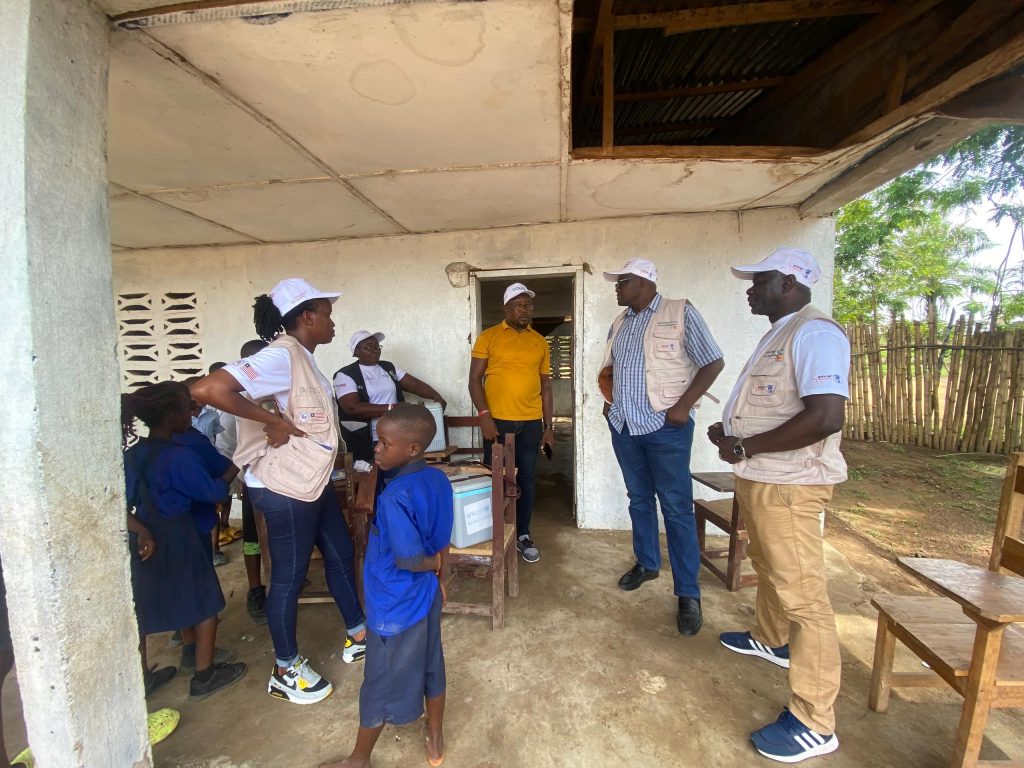
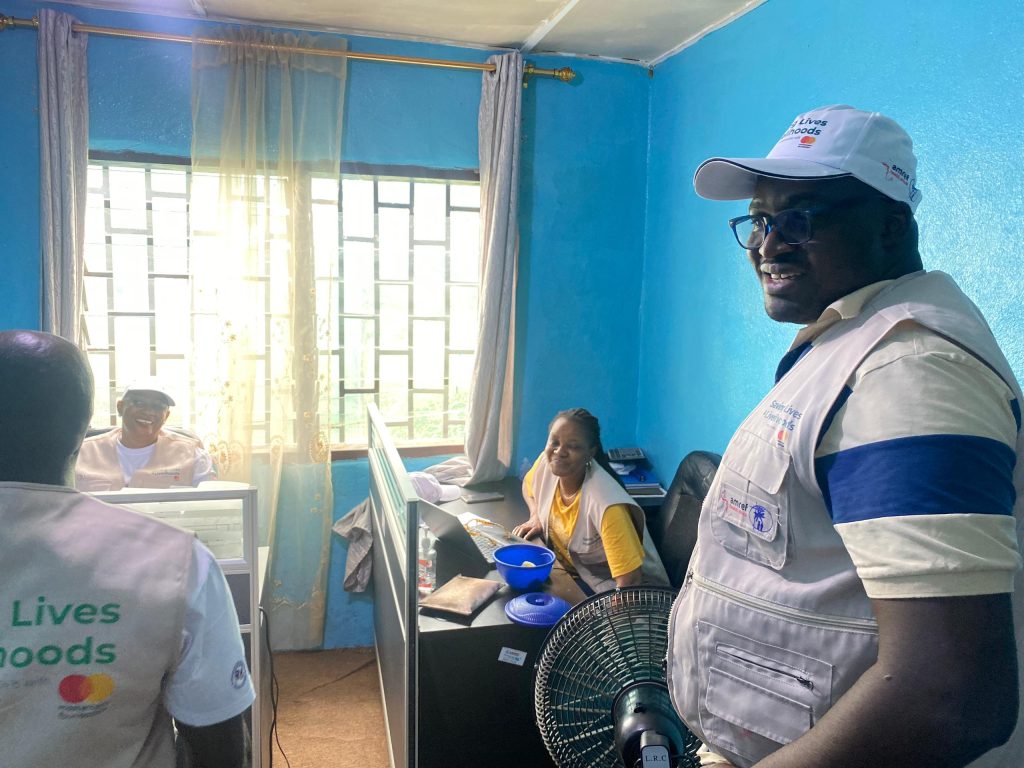
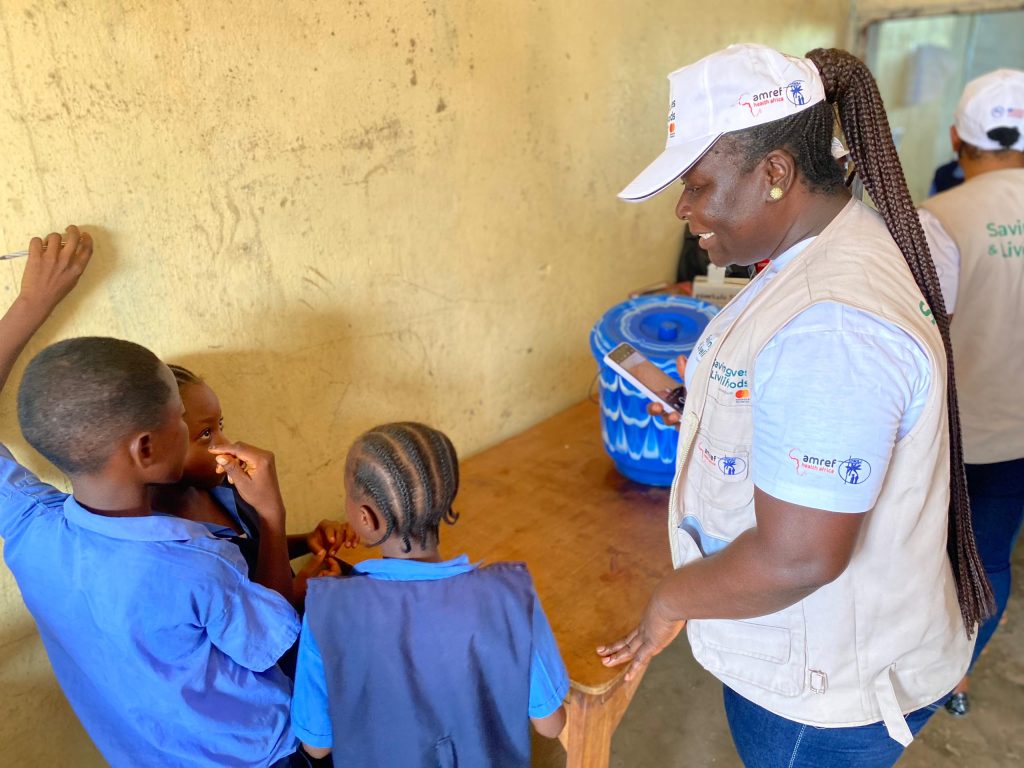
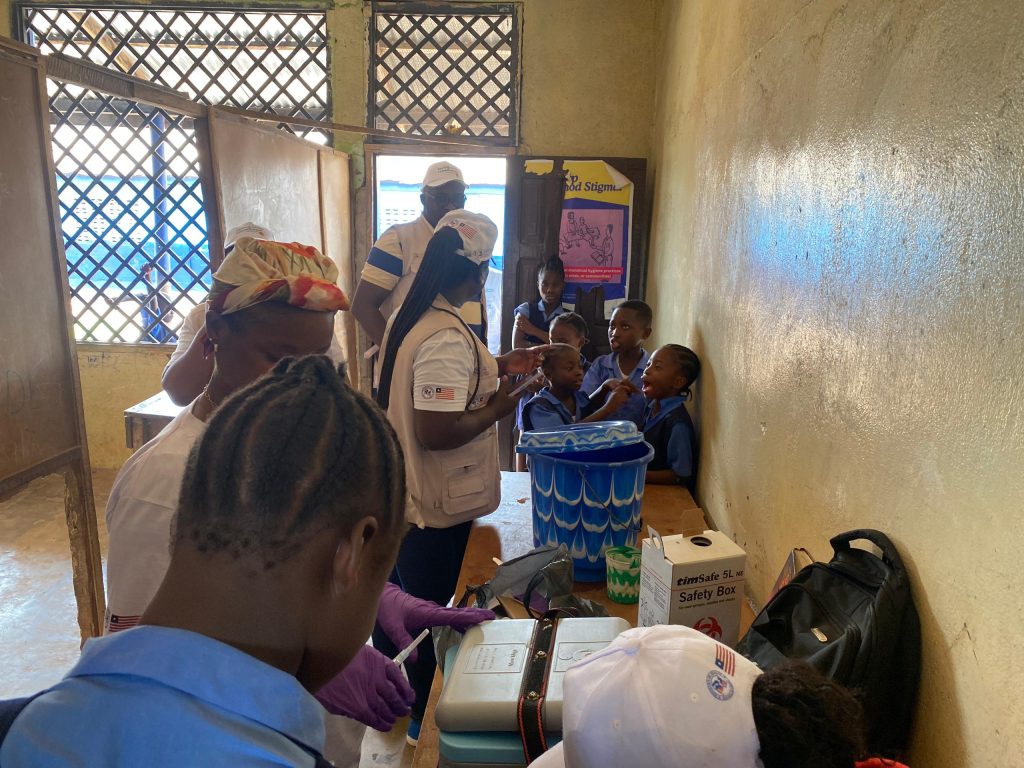
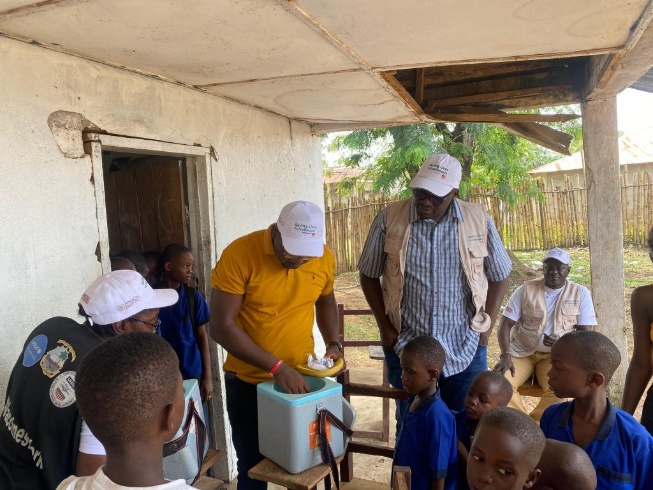
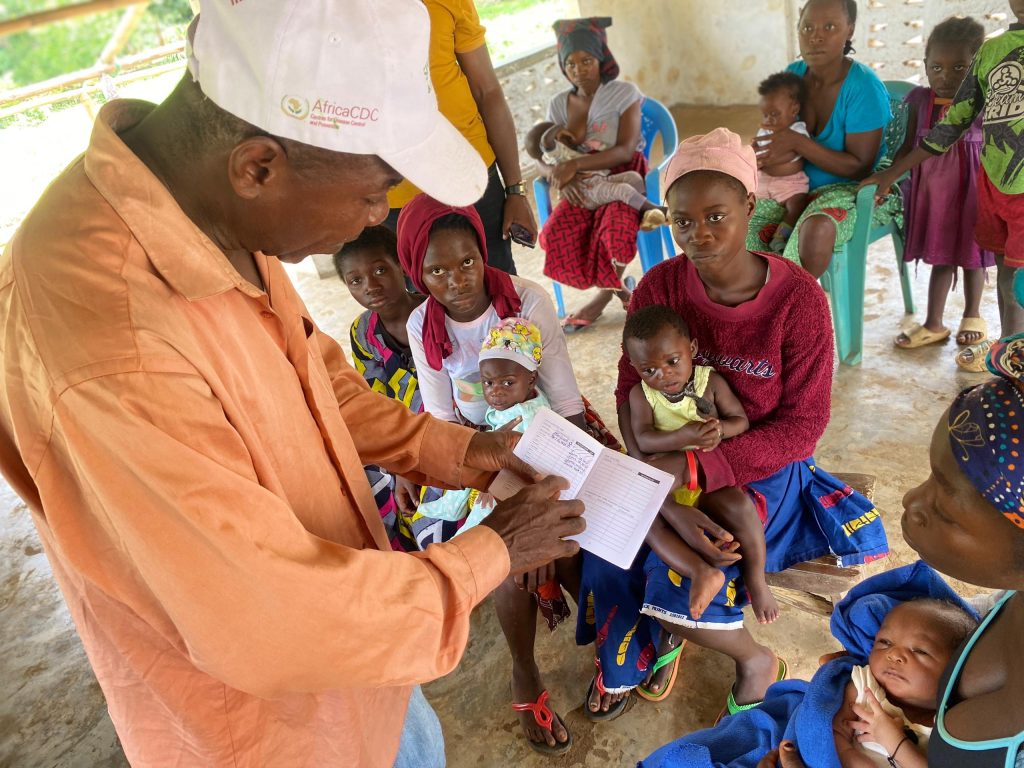
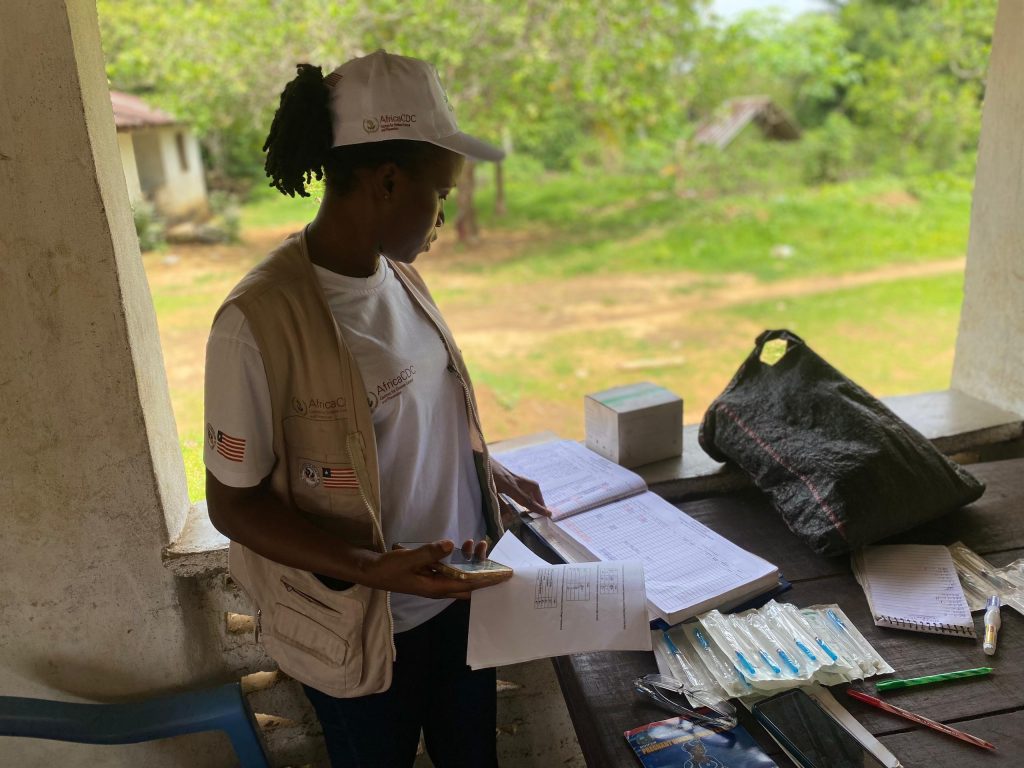
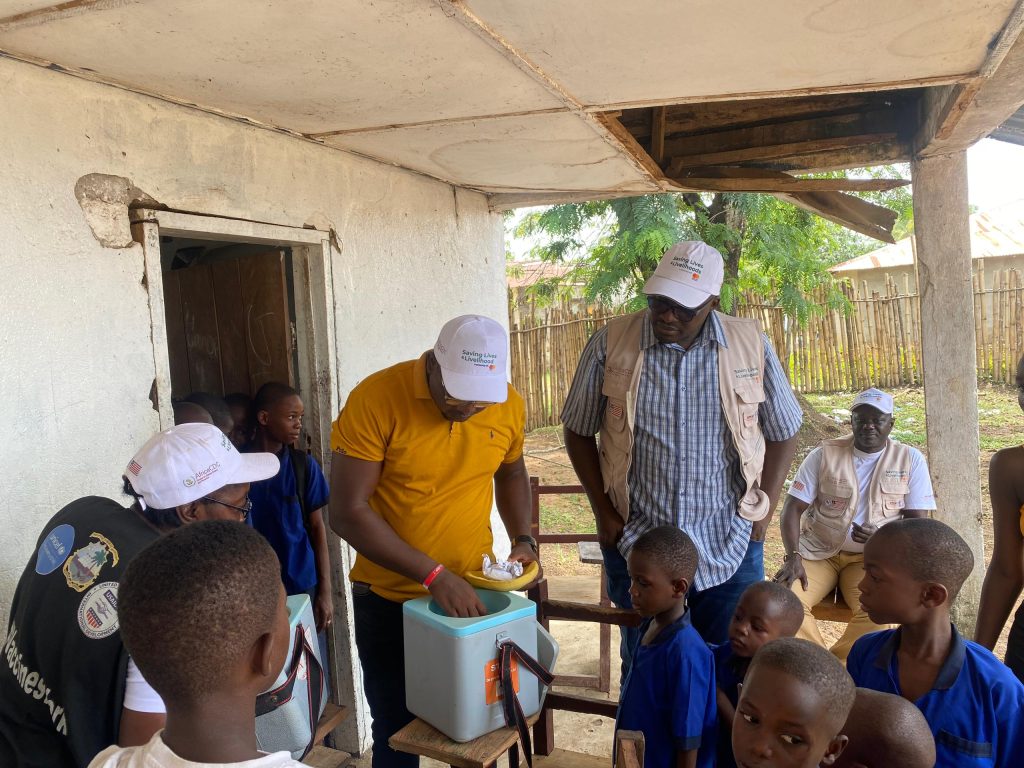
In Bomi and Grand Cape Mount Counties, CHAL partnered with County Health Teams to push vaccination drives into schools, marketplaces, and local gathering points — anywhere people could be reached without requiring them to travel to a facility. Health workers and community volunteers conducted sensitisation sessions that addressed myths, answered questions, and rebuilt the trust that public health programmes must earn in communities with long memories of being underserved. The results were visible: mothers presenting vaccination cards for their children, local leaders reporting fewer outbreaks, and health workers expressing renewed motivation. Where internet connectivity prevented real-time data entry, field staff employed offline data capture and delayed synchronisation — ensuring that every dose administered was recorded, and that national immunisation databases reflected the true reach of the programme.
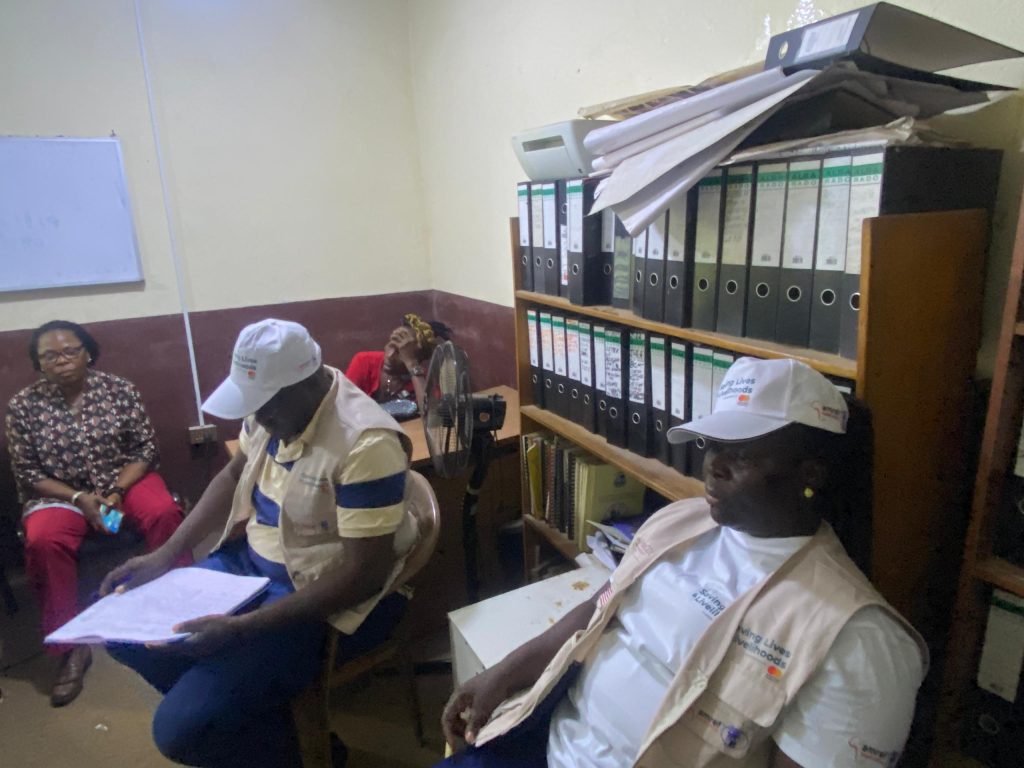
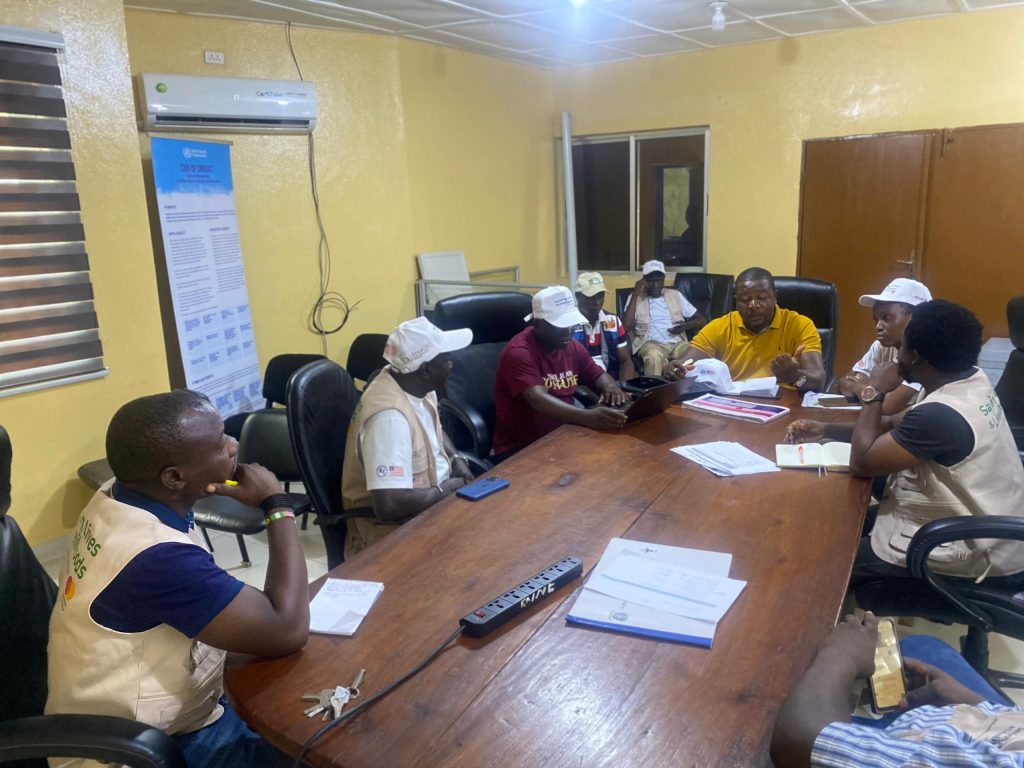
Phase Two of the SLL project is ultimately about more than vaccines. It is about demonstrating that a faith-based health network with deep community roots, the right partnerships, and the determination to go where government systems cannot always follow can be a genuine partner in building Africa’s health sovereignty. The 85,600 people vaccinated across four counties, the 257 health workers trained in the revised EPI manual, and the co-sponsorship of Liberia’s Life-Course Immunisation Policy are not the ceiling of what CHAL can contribute to national immunisation goals — they are the foundation. No distance is too far. No community is too remote. And no child should miss out on a vaccine because of where they were born.