Every sustainable health system needs a reliable medicines supply chain. For Liberia’s faith-based health facilities — many of them located hours from the nearest city, serving communities that have no other healthcare option — that reliability has historically been elusive. Donations dried up after the civil war emergency phase ended. Government supply chains did not reach rural mission hospitals. And CHAL’s own Drugs Supply Unit, which had operated until the 1990s, had been dormant for nearly two decades. The Pharma 700 project, supported by the German Institute for Medical Mission (Difaem) through Bread for the World and launched in May 2019, set out to change that permanently — not through a short-term humanitarian intervention, but through the construction of a self-sustaining pharmaceutical infrastructure that CHAL owns and operates.
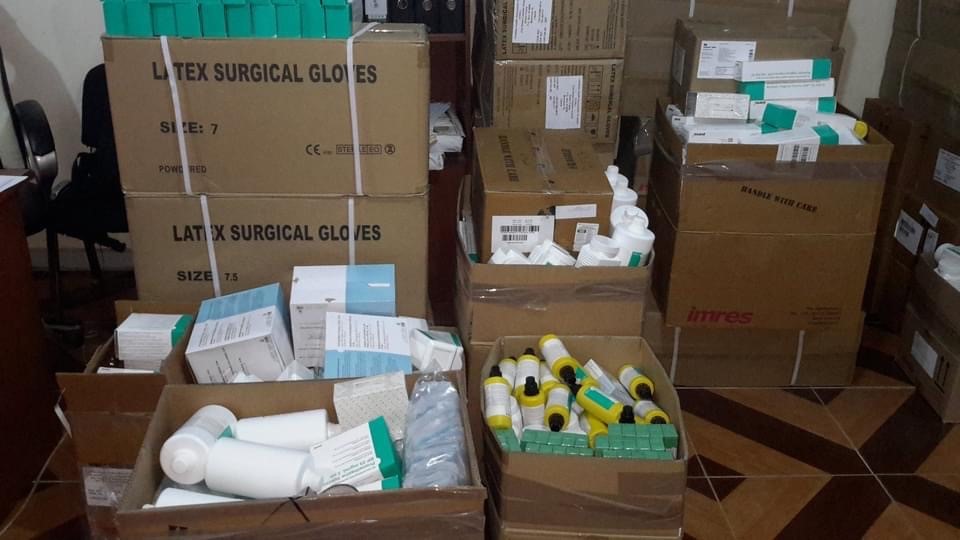
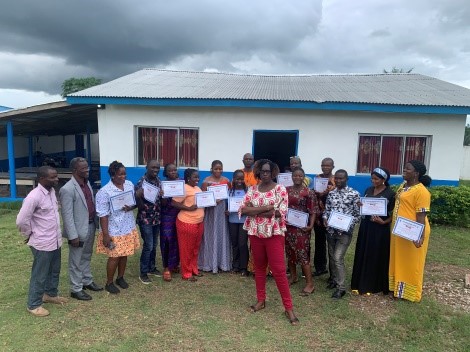
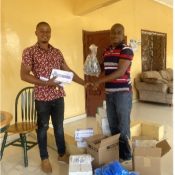
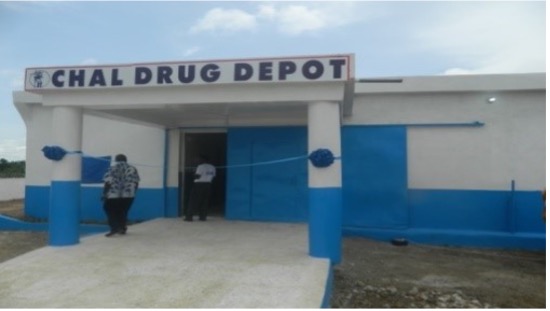
The results of that investment are now structural and lasting. A new drug depot was constructed and fully equipped in Melekie, Gbarnga, Bong County — worth USD 150,000 — bringing pharmaceutical supply within practical reach of facilities in central Liberia for the first time. The dispensing room and drug depot at CHAL’s Monrovia headquarters were refurbished. A Drug Revolving Fund was initiated across 25 health facilities — six hospitals, five health centres, and fourteen clinics — seeded with USD 43,000 worth of essential medicines. The revolving fund model is deliberately designed so that revenue from medicines sales replenishes stock, meaning the system sustains itself without continuous donor injection. With a Pharmacist Superintendent now leading the DSU and a trained team managing both depots, CHAL has the human and physical infrastructure to keep medicines flowing reliably to the facilities that need them most.
The broader significance of Pharma 700 goes beyond supply logistics. When CHAL reactivated its DSU, it reclaimed a core part of its identity — the original reason five Christian hospitals came together in 1975 was to procure medicines more efficiently and affordably. Five decades later, the DSU now serves approximately 100,000 patients indirectly through the faith-based facilities it supplies, and it operates with the commercial discipline of a sustainable enterprise rather than the dependency of a donor-funded programme. Pharma 700 did not just rebuild a warehouse. It rebuilt CHAL’s capacity to be the backbone of pharmaceutical access for rural Liberia — and that is a foundation the organisation intends to build on for the next fifty years.