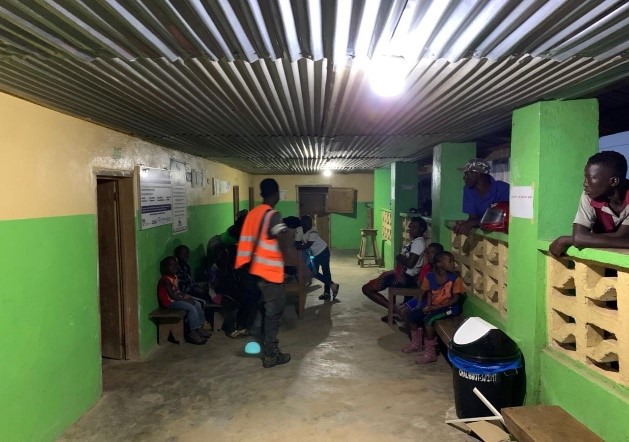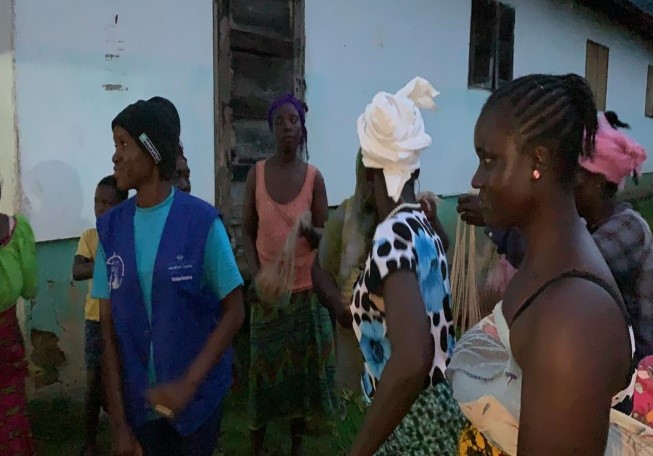
In the most remote corners of Liberia, the absence of reliable electricity is not an inconvenience — it is a clinical hazard. Deliveries conducted by torchlight, vaccines stored in compromised cold chains, and emergency procedures interrupted by power cuts are realities that CHAL’s member facilities have long navigated. That is why, between December 2020 and August 2021, CHAL partnered with the German Institute for Medical Mission (Difaem) to deliver a transformative intervention: two forty-foot containers of medical-grade solar energy kits, distributed to nine member health facilities across four counties of Liberia as part of the Energy Generation Kit — Solar Rise (Project 532).
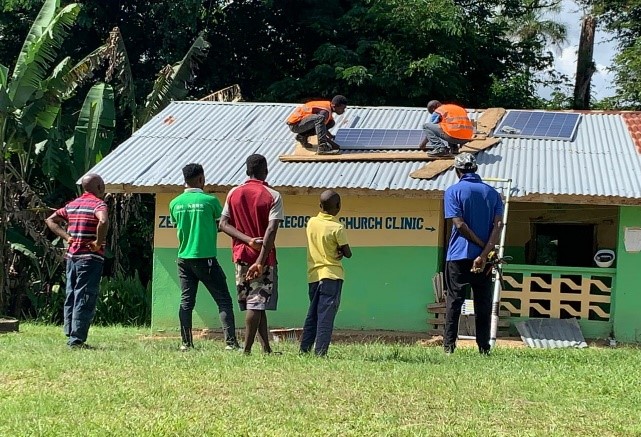
The solar kits — funded as a direct donation from the people of Germany through Difaem — were designed to create safe, functional healthcare environments in facilities that could not rely on the national grid. Each kit included solar panels and all necessary accessories to power lighting, medical equipment, and essential services. The nine recipient facilities, spread across four counties, were selected on the basis of need and their role in serving vulnerable rural populations — the same communities that CHAL has championed since 1975 as a provider of approximately 35% of Liberia’s health services. Installation brought immediate, visible change: wards that were once dark after sundown became operational around the clock, and health workers gained the ability to respond to emergencies at any hour.
The Solar Rise project reflects a broader truth about healthcare in resource-limited settings — that clinical quality and physical infrastructure are inseparable. A skilled midwife cannot safely deliver a baby without light. A cold chain cannot protect a vaccine without power. By investing in energy infrastructure, CHAL and Difaem invested in the reliability of every service those nine facilities provide. CHAL continues to advocate for solar expansion across all 82 member facilities, working with partners to close the gap between what Liberia’s faith-based health network needs and what its communities deserve.