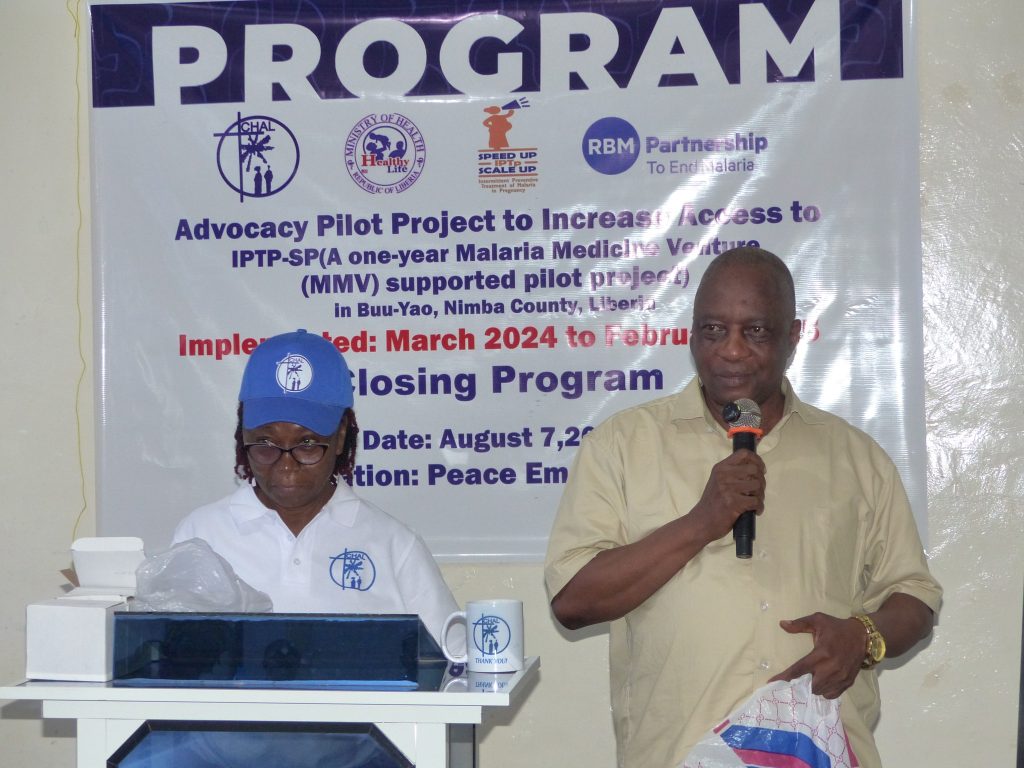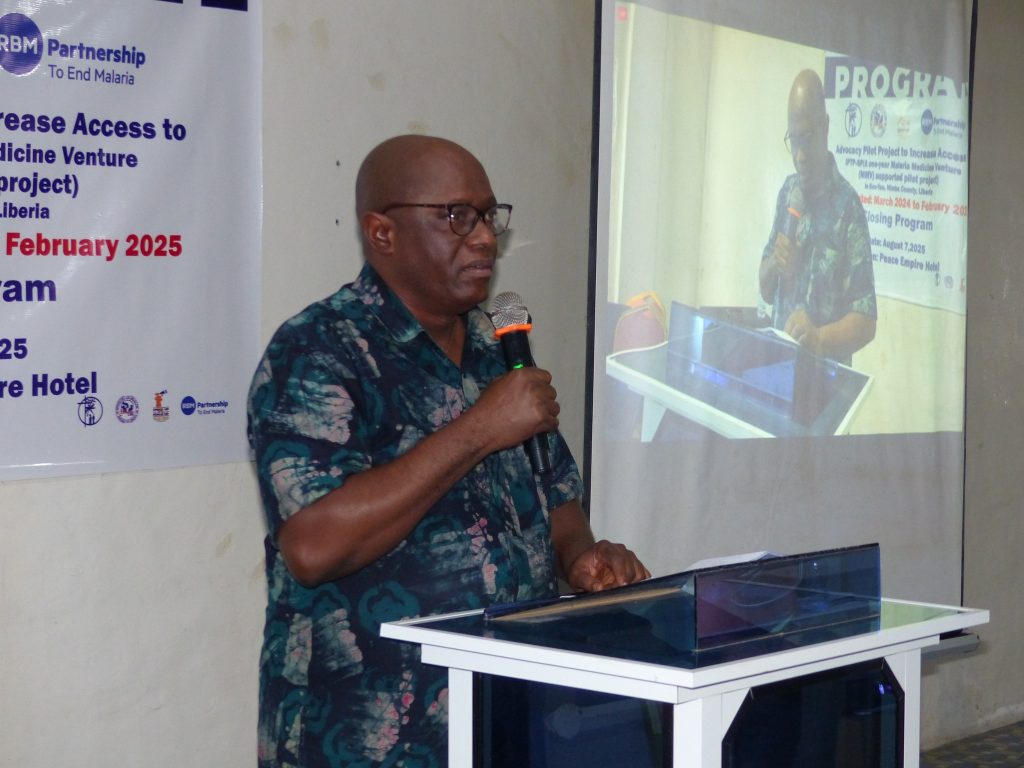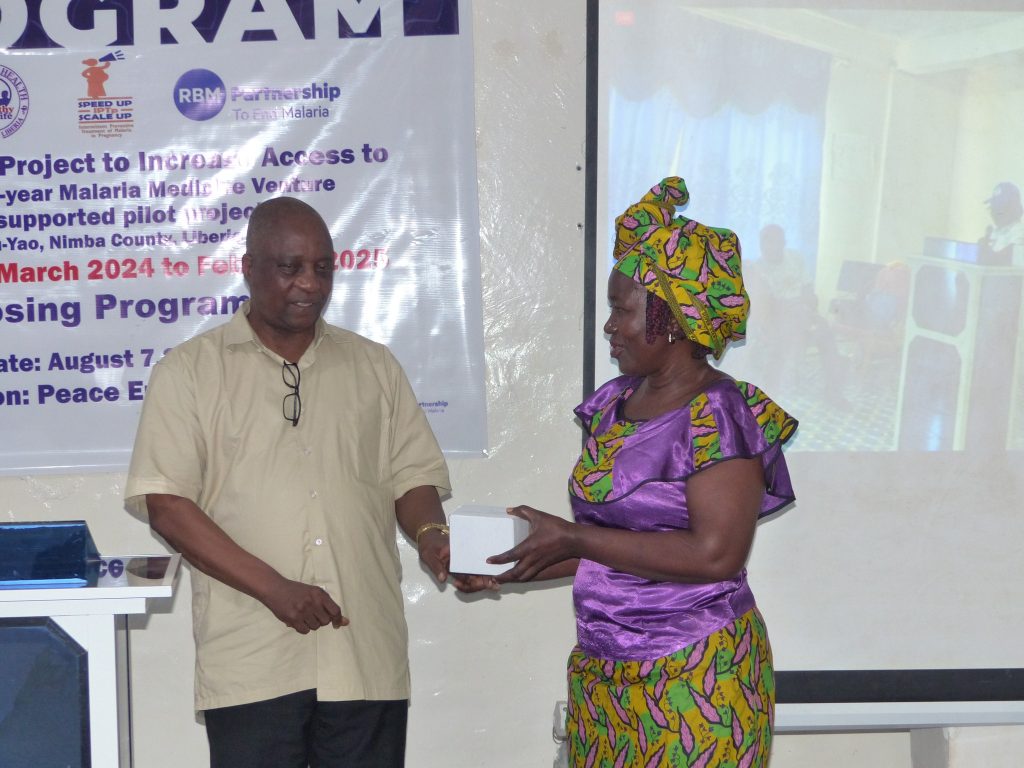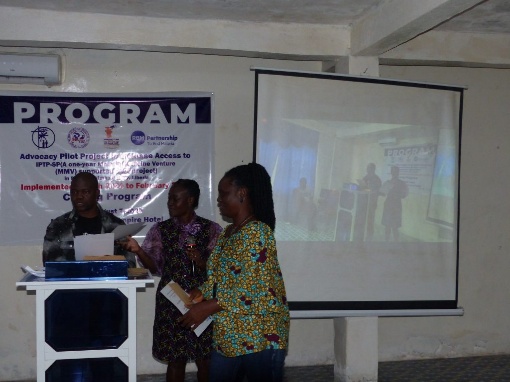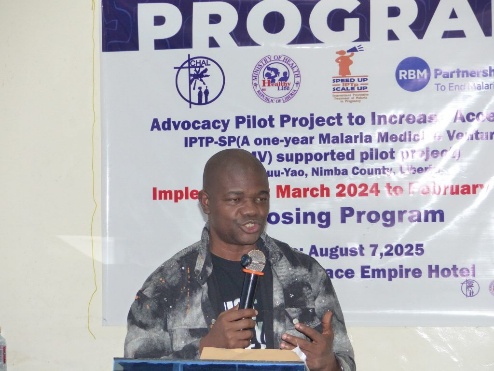
After one year of sustained, community-driven effort, the Christian Health Association of Liberia proudly marked the successful completion of the Intermittent Preventive Treatment in Pregnancy with Sulfadoxine-Pyrimethamine (IPTp-SP) Pilot Project in Buu-Yao District, Nimba County. Running from March 2024 to February 2025, this landmark initiative — delivered in partnership with the Medicines for Malaria Venture (MMV), the Ministry of Health of Liberia, and the RBM Partnership to End Malaria — set out to reduce the burden of malaria among pregnant women in one of Liberia’s most underserved districts and returned results that exceeded expectations.
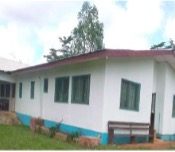
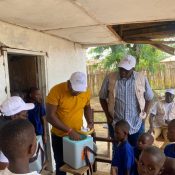
At the heart of the project was a three-pronged delivery model: health facility-based interventions, community engagement led by trained Community Health Workers, and enhanced clinical training for health personnel. The results were striking. Total ANC visits rose from 1,258 to 2,276 — an increase of 80.9%. The average gestational age at a woman’s first ANC visit fell from 14 weeks to under 10 weeks, meaning women were entering care earlier and receiving more complete protection. Women completing the recommended four or more ANC visits increased from 6% to 16%, and IPTp-SP coverage among pregnant women climbed significantly across all targeted facilities. Beyond the numbers, health workers reported sharper clinical skills, and communities that were once reluctant to engage with formal health services began actively participating.
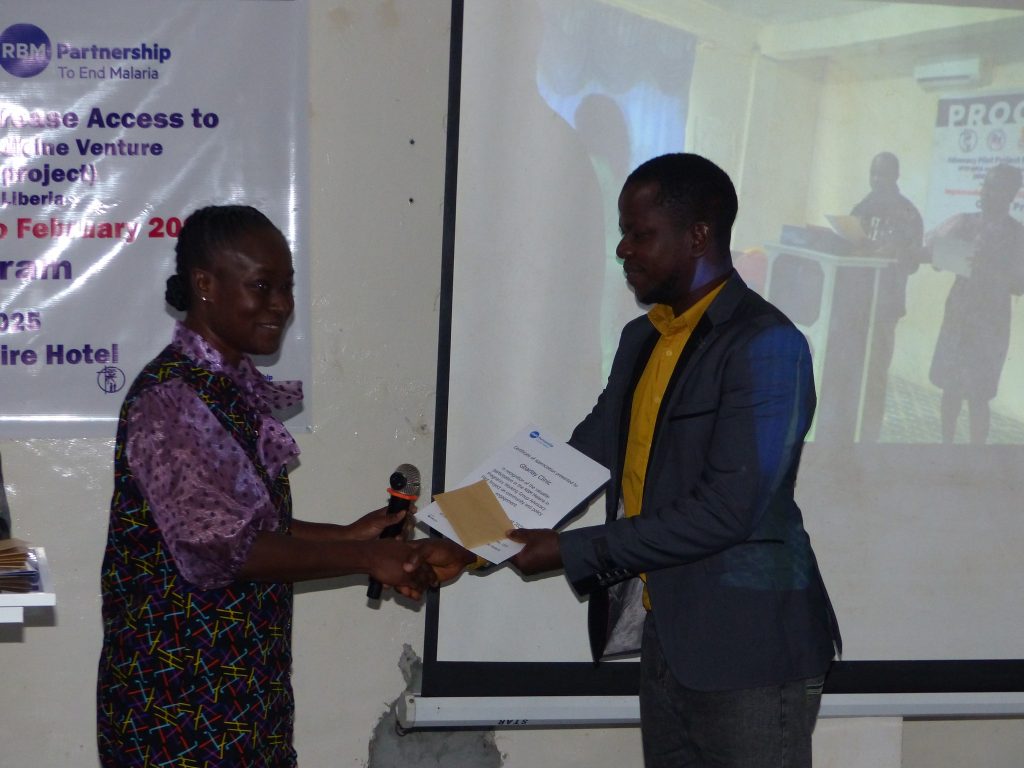
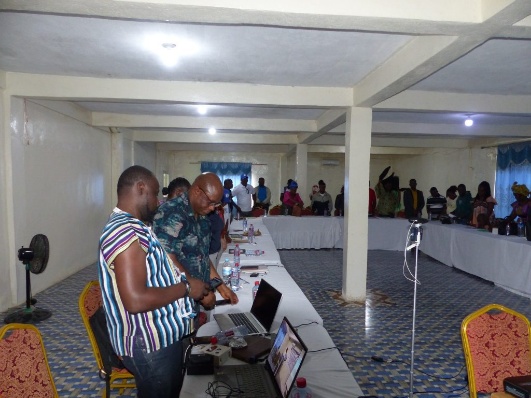
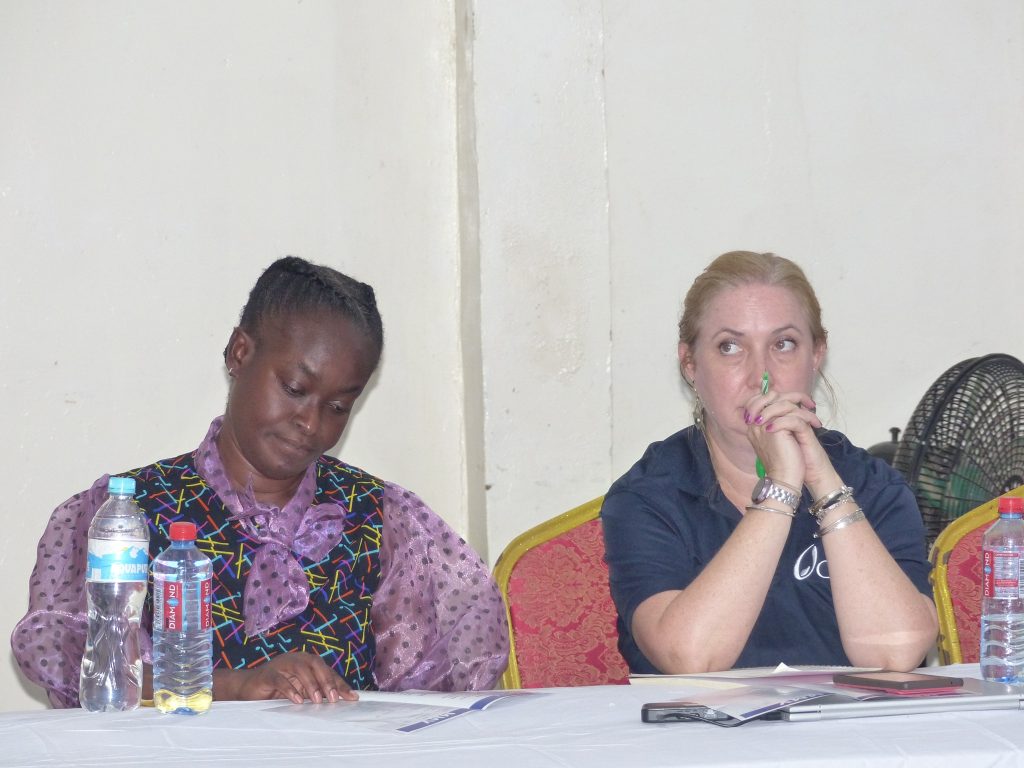
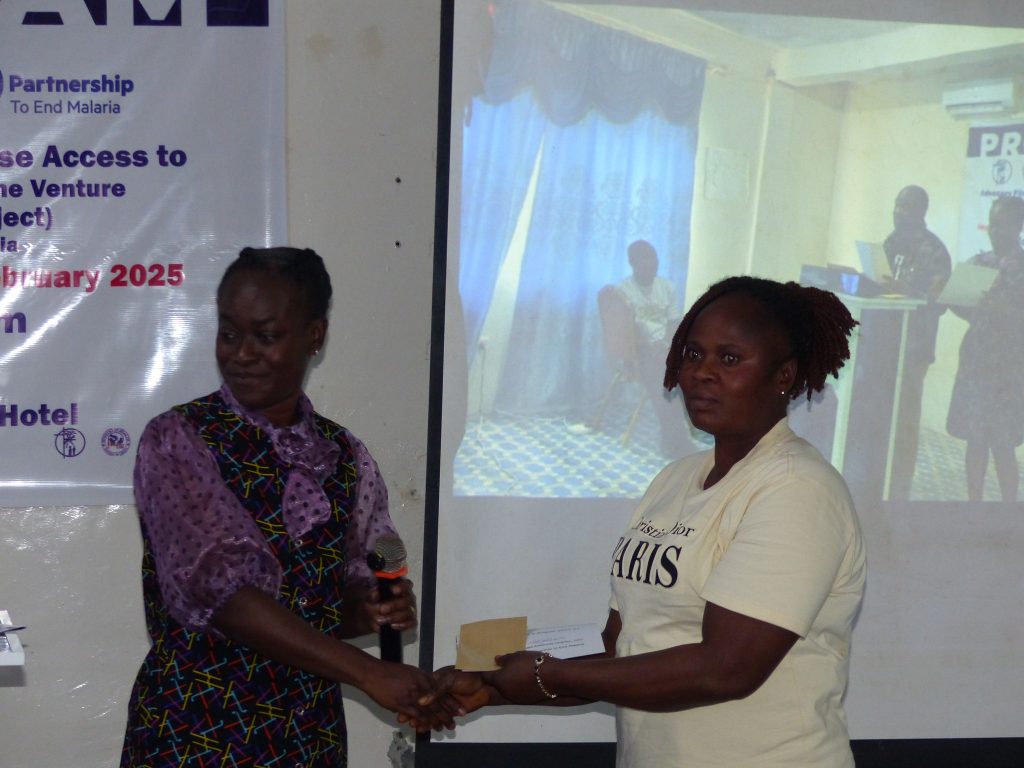
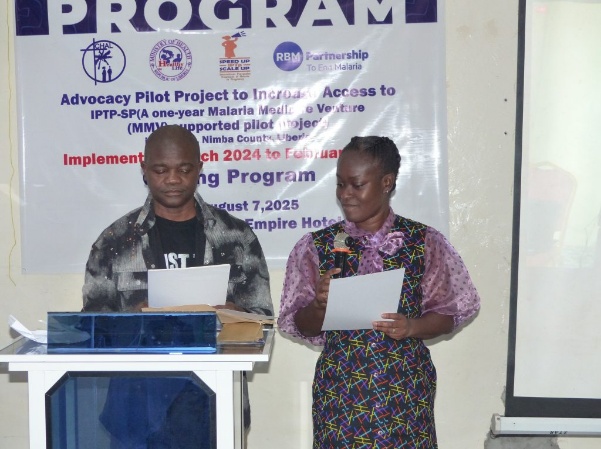
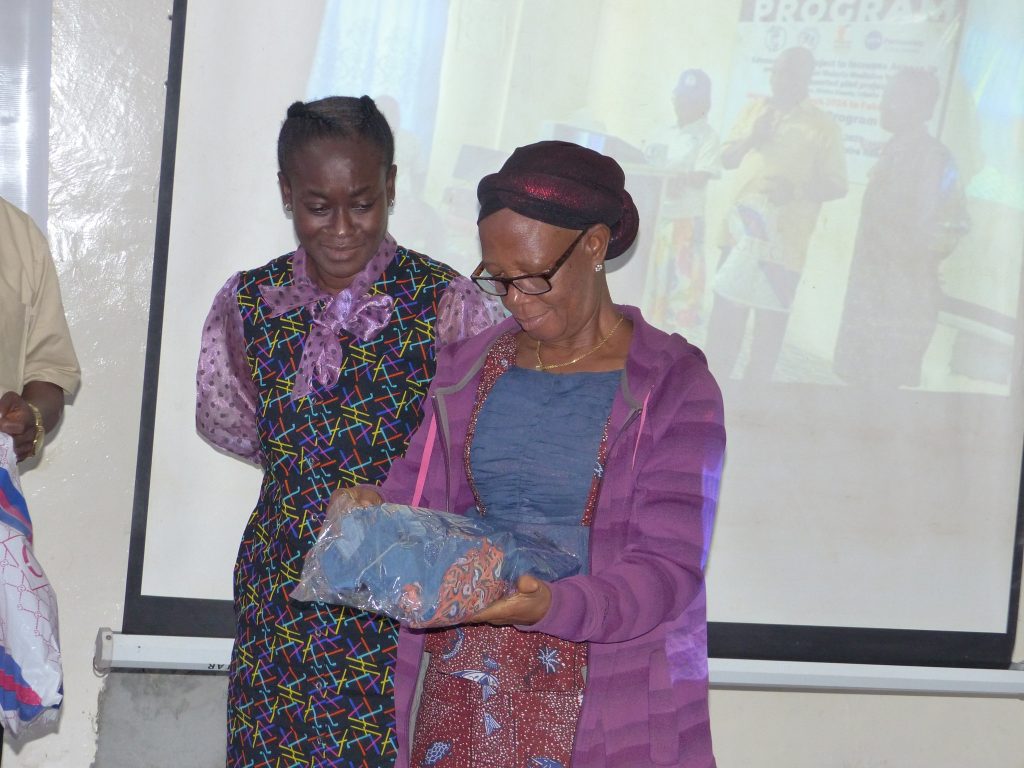
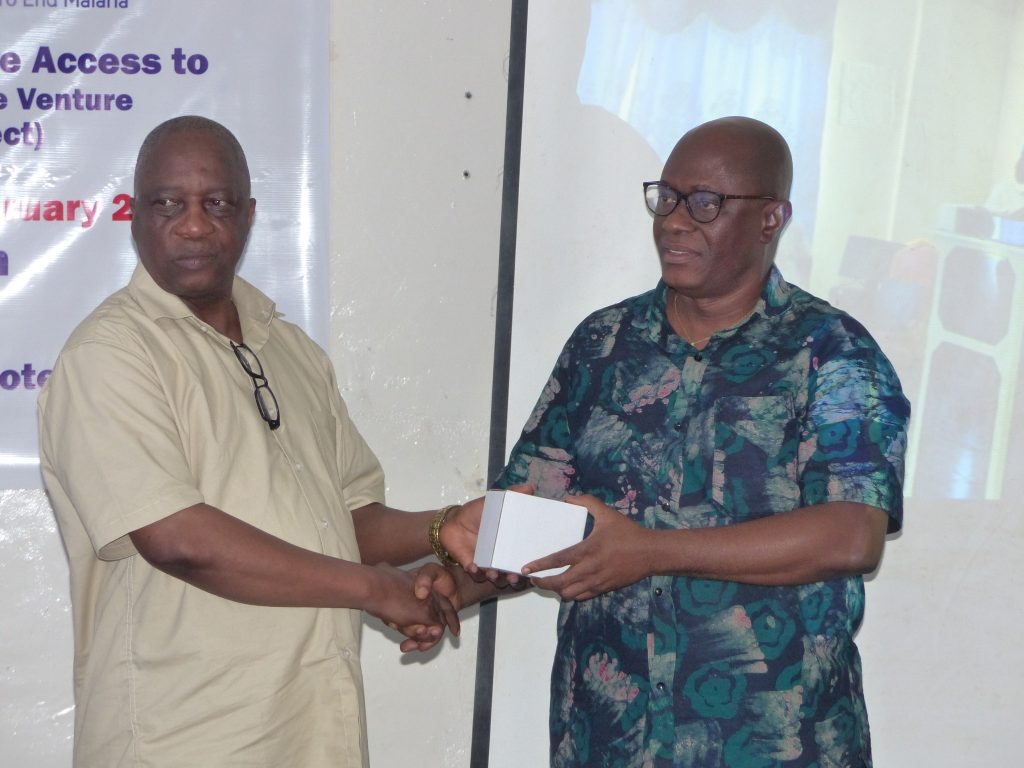
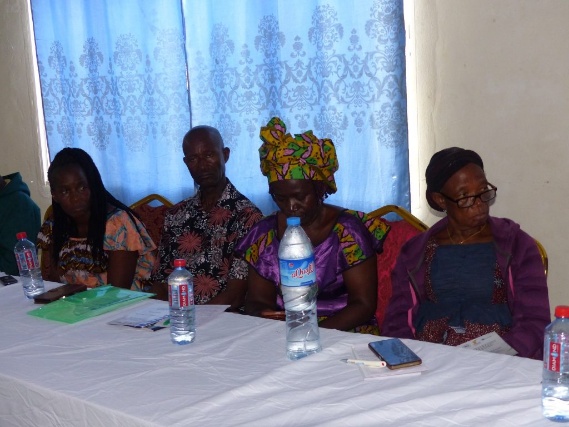
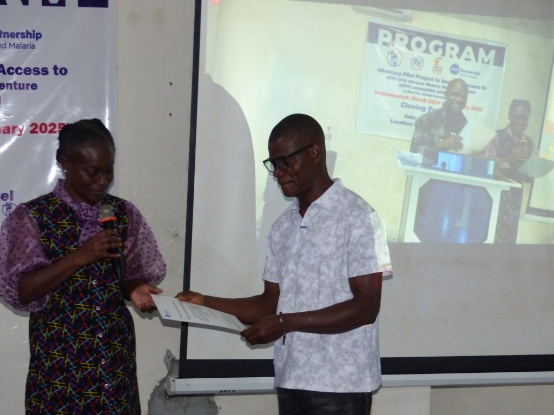
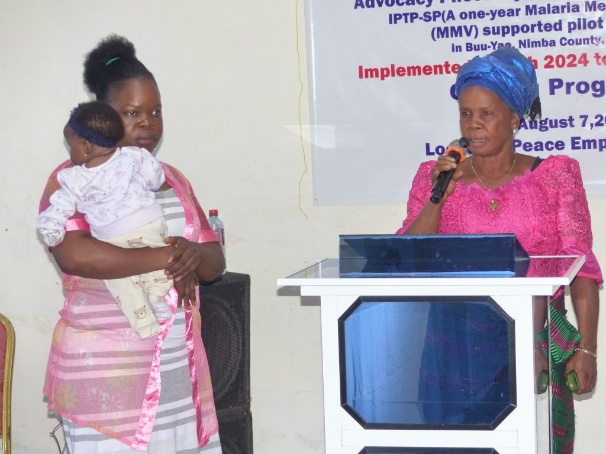
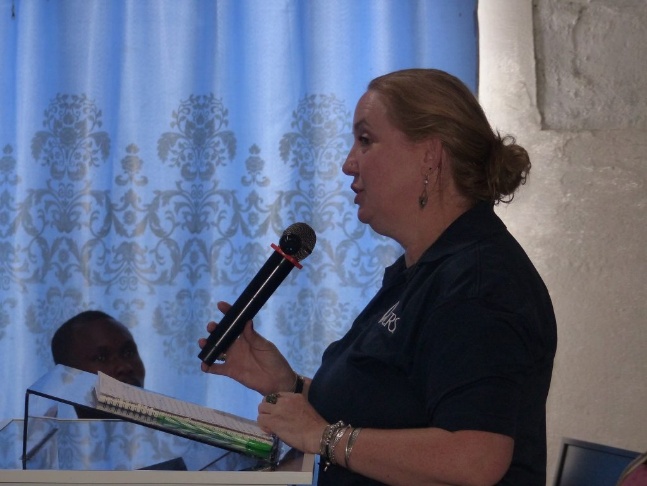
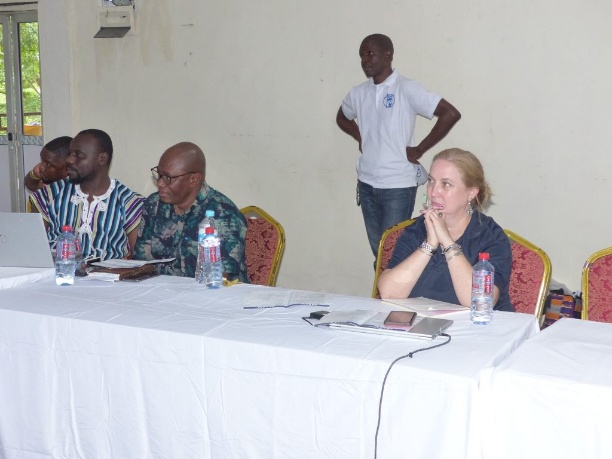
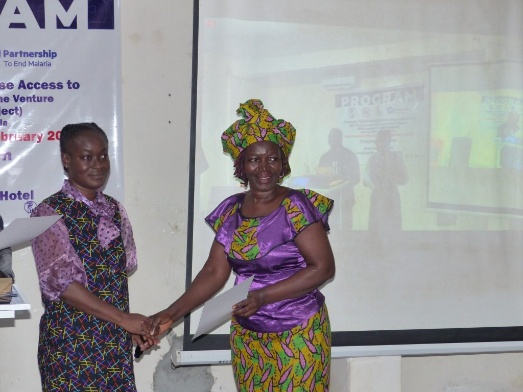
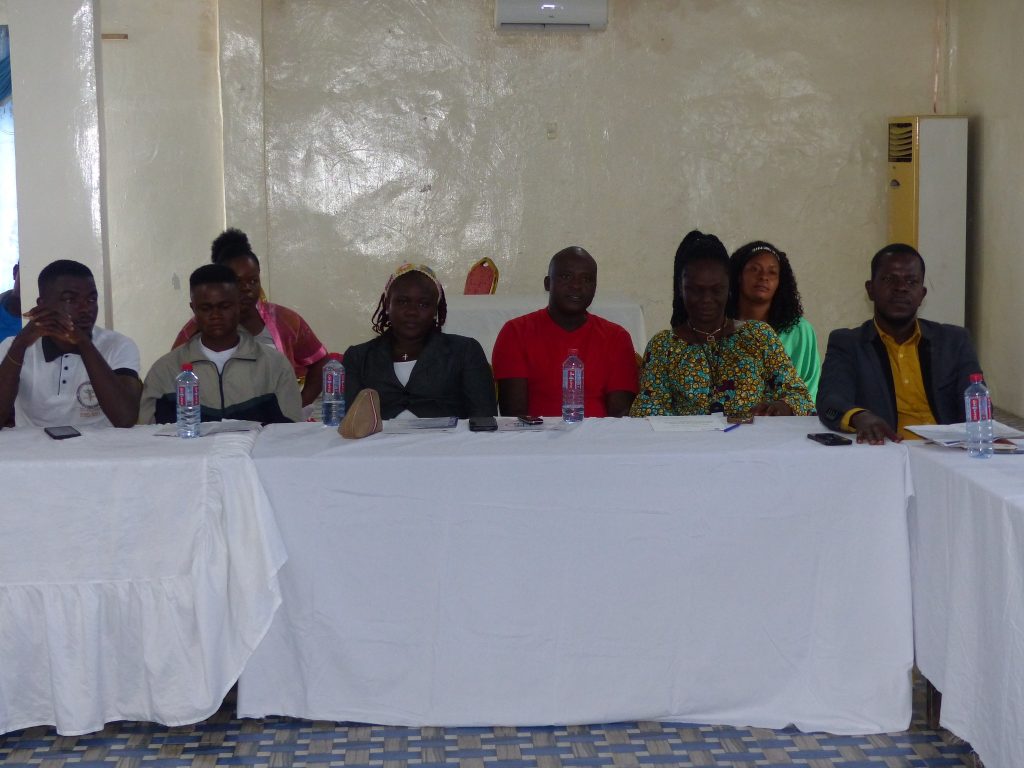
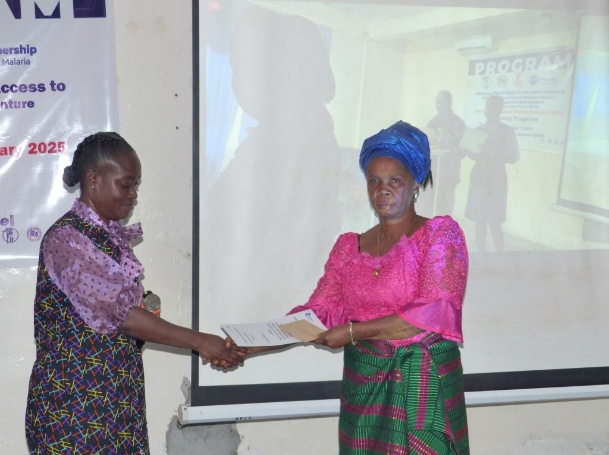
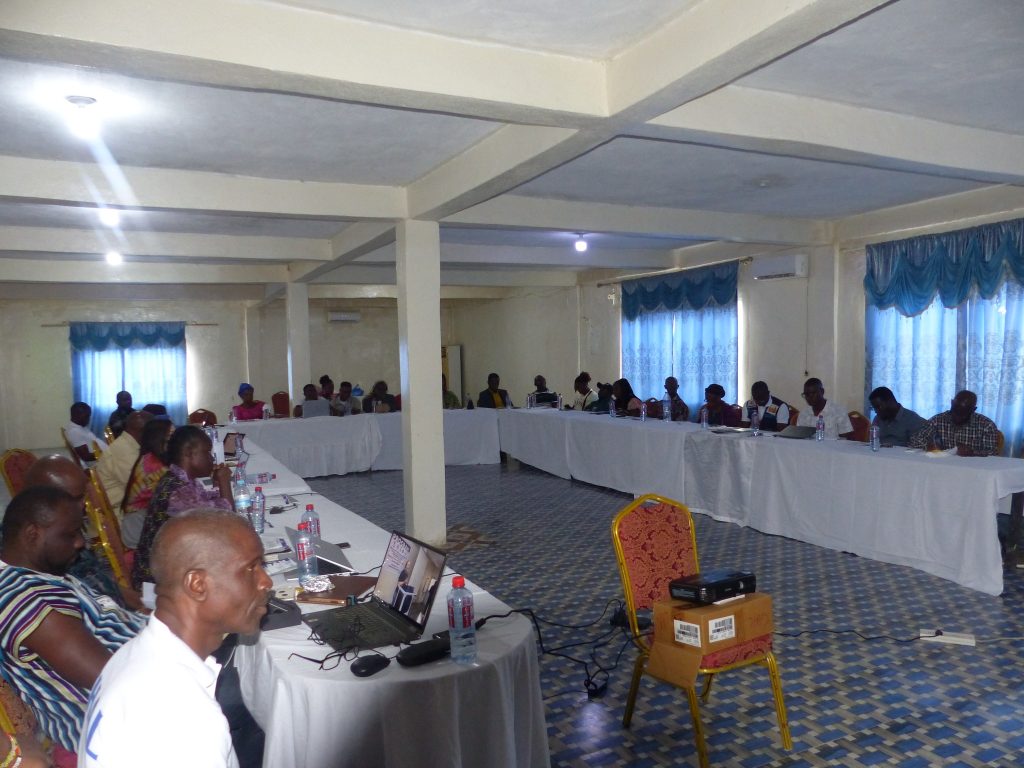
The closing ceremony brought together representatives from MMV, the Ministry of Health, CHAL field staff, community health workers, and local leaders to reflect on what a year of coordinated, evidence-based malaria prevention can achieve. The Buu-Yao District has a direct target population of 10,230 pregnant women, with an indirect reach extending to 146,103 women of childbearing age across Nimba County. The lessons from this pilot — what worked, what can scale, and what the data demands — now form part of Liberia’s broader strategy for reducing maternal mortality and improving newborn outcomes in rural communities.